Loading...
Cities
Cities
By Carrier Network | January 29, 2026

Managing a trucking fleet effectively is essential for any logistics company aiming to optimize operations and reduce costs. This expert guide explores proven strategies for successful fleet management. These insights, from maintenance tips to leveraging advanced technology, can help keep your fleet in top shape.
Fleet management coordinates company vehicles to ensure cost-effectiveness, safety, and efficiency. For trucking companies, this involves tracking vehicle performance, managing drivers, and ensuring compliance with regulations. Effective management can significantly cut costs, improve safety, and enhance operational efficiency.
Regular maintenance minimizes downtime and prevents costly repairs. Set up a regular maintenance plan that covers oil changes, brake checks, and tire rotations. This keeps your trucking fleet road-ready at all times. Frequent inspections catch minor problems early, preventing them from turning into costly repairs and saving time and money.
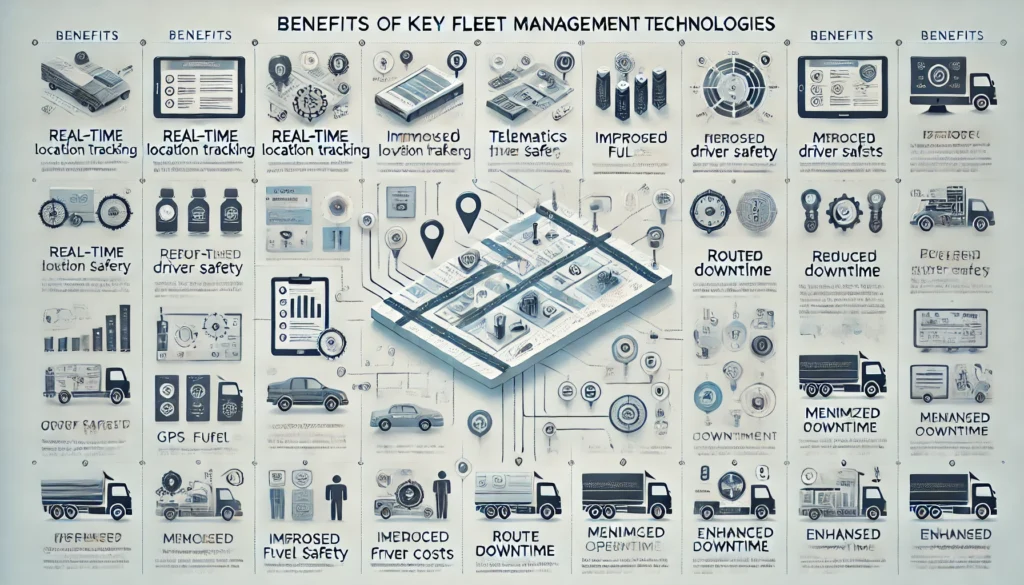
Utilizing GPS tracking systems is an effective way to monitor trucking fleet activities. These systems provide real-time data on vehicle locations, routes, and driver behavior. By analyzing this data, companies can optimize routes, improve fuel efficiency, and enhance safety. GPS tracking also assists in theft prevention and recovery, adding an extra layer of security to your operations.
Driver training is a vital component of fleet management for trucking companies. Investing in training programs improves driving skills, reduces accidents, and ensures compliance with safety regulations. Encourage drivers to report issues and provide feedback to enhance fleet operations further. Regular training sessions also boost driver morale and increase job satisfaction, leading to reduced turnover.
Fuel is a significant cost for any trucking fleet. Implementing a fuel management system helps track consumption and identify inefficiencies. Consider using fuel cards that offer discounts and easy tracking of fuel purchases. Monitoring fuel usage saves money and contributes to environmental sustainability by reducing emissions.
Telematics gathers data on vehicle usage, driver behavior, and engine diagnostics. This technology aids in predictive maintenance, improving vehicle performance and longevity. By installing telematics systems, fleet managers can foresee potential issues and address them proactively. Telematics also provides valuable insights into driver performance, helping managers implement targeted training and rewards programs.
Effective route planning minimizes fuel consumption and ensures timely deliveries. Use advanced AI & software tools to plan efficient routes, considering traffic conditions, road closures, and distance. Optimizing routes reduces operational costs and improves customer satisfaction. Consistently reviewing and adjusting routes based on real-time data can further enhance efficiency.
Read More: What is Long-Haul Trucking? Challenges and Solutions
Creating and enforcing safety protocols is essential in protecting assets and reducing risks. Develop clear policies for vehicle operation and driver conduct. Regularly update these protocols to align with industry standards and regulations. Safety protocols should cover different scenarios, including emergency procedures and routine safety inspections.
Compliance with transportation regulations is non-negotiable in fleet management for trucking companies. Use compliance software to track and manage regulatory requirements, ensuring your fleet meets all legal obligations. This reduces the risk of fines and enhances operational integrity. Compliance software also simplifies record-keeping and audit preparation, simplifying proving compliance with regulations.
Regular safety audits help identify potential issues before they become costly problems. Inspect vehicles for compliance with safety standards and ensure that all documentation is up-to-date. Safety audits contribute to maintaining a high standard of fleet performance. They also provide an opportunity to review and improve safety protocols and training programs.
Several emerging trends are poised to shape the largest trucking companies in the US:
Autonomous Vehicles: Increased investment in self-driving technology promises efficiency and safety improvements.
Electric Trucks: Transitioning to electric vehicles aligns with sustainability goals and regulatory pressures.
Digital Platforms: Enhanced digital tools streamline logistics management and improve customer interaction.
Read More: Cost Per Mile for truck: How to Calculate It and How To Use It
Measuring how frequently and effectively your fleet assets are used can reveal opportunities for optimization. Monitor data like mileage, operational hours, and service intervals. This data provides insights into maximizing asset utilization and improving fleet efficiency. High asset utilization ensures that resources are not wasted and vehicles contribute to revenue generation.
Asset management software helps track fleet assets, schedule maintenance, and manage costs. By providing a centralized platform for asset tracking, this software streamlines operations and enhances decision-making. Asset management tools also assist in planning vehicle replacements and expansions, ensuring that fleet growth aligns with business goals.
When managing a trucking fleet, consider each vehicle’s total lifecycle cost, including purchase price, maintenance, operation, and disposal. This holistic approach ensures cost-effectiveness and helps make informed decisions about fleet expansions or replacements. Understanding lifecycle costs also aids in budgeting and financial planning, providing a clearer picture of long-term investments.
Read More: Largest Trucking Companies in the US: 2024 Updated List
For trucking companies without internal maintenance capabilities, outsourcing presents a feasible alternative. Assess potential service providers by considering their expertise, cost-effectiveness, and reliability. This approach can enhance resource allocation and minimize downtime. It also lets companies focus on core operations while leaving maintenance to specialists.
Set clear service agreements with maintenance providers to define expectations and responsibilities. This includes response times, service quality, and pricing. Clear agreements prevent misunderstandings and ensure consistent, quality service. Regular reviews of service agreements can help maintain high standards and address any issues promptly.
Effective fleet management is the backbone of a successful trucking fleet operation. By implementing these strategies, companies can enhance efficiency, reduce costs, and ensure compliance. Leveraging technology, prioritizing safety, and optimizing asset use are keys to thriving in the competitive logistics industry. With a well-managed fleet, businesses can achieve greater operational success and customer satisfaction.
Know More: Carrier Network USA