Loading...
Cities
Cities
By Carrier Network | January 29, 2026

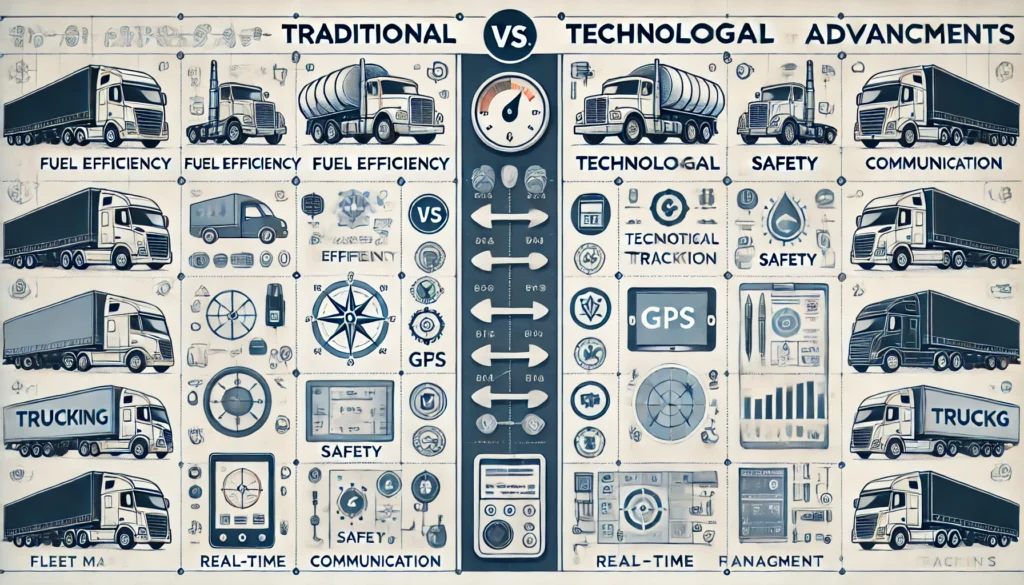
The trucking industry is undergoing a monumental shift. Technological advancements drive this change, enhance efficiency and safety, and set the stage for future innovations
Freight automation is a major game-changer in the trucking sector. Automation technologies streamline operations, minimize manual errors, and boost productivity. These systems are now integral to several processes, including route planning, load tracking, and cargo management.
Increased Efficiency:
Automated systems optimize routes, saving both time and fuel.
Cost Reduction:
By reducing manual intervention, labor costs decrease.
Enhanced Tracking:
Real-time tracking provides better visibility and security.
Improved Load Management: Automation handles complex logistics, balancing loads efficiently.
Investing in driver training is essential. Regular workshops help drivers understand the latest trucking safety practices. Training should cover defensive driving techniques, emergency procedures, and fatigue management.
Vehicle Monitoring:
IoT sensors track the health of truck components, predicting failures before they occur.
Driver Safety:
Devices monitor fatigue levels and alert drivers, reducing accidents.
Fuel Management:
IoT systems optimize fuel usage, cutting costs and emissions.
Cargo Monitoring:
Sensors keep track of cargo conditions, ensuring quality and safety during transit.
The advent of autonomous trucks is pivotal in the trucking industry transformation. These vehicles promise to revolutionize freight transportation, offering benefits such as reduced human error and the ability to operate around the clock.
Regulatory Hurdles:
Current laws must adapt to accommodate autonomous vehicles.
Technological Advancements:
Continuous improvements in AI and sensor technology are vital.
Job Impacts:
While some jobs may be lost, new opportunities in tech and maintenance fields will emerge.
Public Perception:
Gaining public trust in autonomous technology remains a crucial step.
Read More: What is Fleet Management? Purpose, Benefits & More
Blockchain technology provides a secure method for managing transactions and data in the trucking industry. It enhances transparency and reduces fraud. With blockchain, all parties can access the same data, eliminating disputes and improving trust.
Data Security:
Offers secure and tamper-proof record-keeping.
Streamlined Processes:
Facilitates faster transactions with less paperwork.
Improved Transparency:
Everyone accesses the same information, increasing trust.
Efficient Settlements:
Blockchain enables quicker and more accurate settlements, reducing costs.
Sustainability is becoming a key focus in the trucking industry transformation. Electric trucks reduce emissions, promoting eco-friendly practices. Companies invest in electric fleets to meet environmental goals and reduce fuel dependency.
Lower Emissions:
Electric vehicles produce zero emissions, aiding environmental efforts.
Operational Cost Savings:
Reduced fuel costs and maintenance lead to long-term savings.
Government Incentives:
Companies adopting green technologies benefit from tax incentives and subsidies.
Improved Public Image:
Embracing sustainability enhances brand reputation.
Read More: Maximize Profit with Improving Fuel Efficiency Trucking Tips
“Implementing freight automation has significantly boosted our operational efficiency. We’ve seen a remarkable reduction in delivery times.” — Logistics Manager, ABC Transport.
“Integrating IoT devices in our fleet has transformed our maintenance schedule. We can now predict issues before they become costly problems.” — Fleet Supervisor, ZYX Freight Solutions.
Despite the benefits, adopting new technologies presents challenges. Initial investment costs can be considerable. Training staff to use new systems is essential. Moreover, integrating new technologies with existing systems requires significant effort.
Cost Management:
Leverage government incentives and phased implementations to manage expenses.
Training Programs:
Invest in comprehensive training to ensure smooth transitions.
Integration:
Collaborate with technology partners for seamless integration.
Cultural Change:
Foster a culture open to change and innovation to ease transitions.
Read More: Safety Practices for Trucking Companies to Rduce Risk on the Road
Artificial Intelligence (AI) is increasingly significant in the trucking industry transformation. AI enhances decision-making processes, from route optimization to predictive maintenance.
Traffic Analysis:
AI analyzes traffic patterns to suggest optimal routes.
Predictive Analytics:
AI predicts maintenance needs, preventing breakdowns.
Load Optimization:
AI systems ensure optimal load distribution, enhancing efficiency.
Customer Service:
AI-powered chatbots handle customer queries, improving service levels.
“A journey of a thousand miles begins with one step, but in the trucking industry, it begins with innovative technology.” — Industry Expert.
Technology is at the heart of the trucking industry transformation. From freight automation to IoT, blockchain, and AI, these advancements are reshaping operations. While challenges exist, such as cost and integration issues, the benefits of increased efficiency, safety, and sustainability are undeniable. Embracing these technologies will ensure the trucking industry thrives, meeting the demands of a rapidly changing world.
Know More: Carrier Network USA